
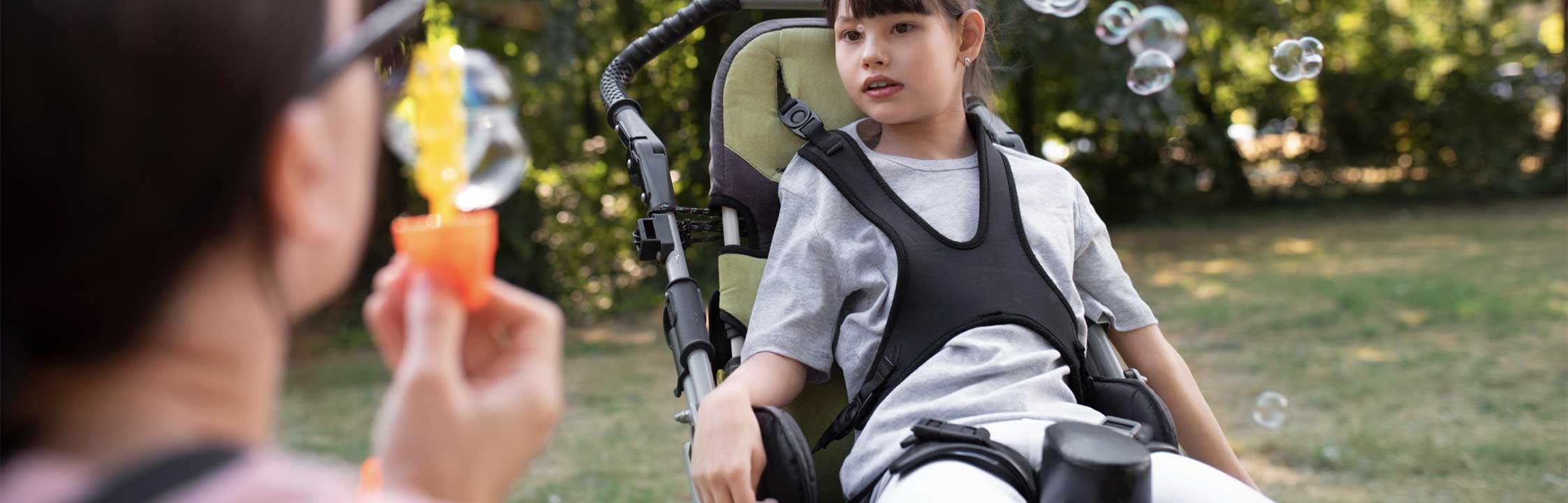
PEEPs for Educational Settings
Comprehensive guidance for schools, colleges, and universitiesEmergency Evacuation Planning in Education
Educational settings have a legal duty to ensure all students, staff, and visitors can safely evacuate in an emergency. Personal Emergency Evacuation Plans (PEEPs) are essential for supporting individuals who may need assistance during an evacuation due to disability, temporary injury, or other factors affecting mobility or awareness.Why PEEPs Matter in Education
- Legal requirement: Equality Act 2010 requires reasonable adjustments for disabled students and staff
- Regulatory compliance: Ofsted and quality assurance bodies assess emergency planning provisions
- Student wellbeing: Ensures inclusive education without compromising safety
- Staff protection: Clear procedures protect employees who assist during evacuations
- Visitor safety: Covers contractors, parents, and guests with access needs
Legal Framework:Educational settings must comply with the Regulatory Reform (Fire Safety) Order 2005, the Equality Act 2010, and the Health and Safety at Work Act 1974. This means conducting fire risk assessments that specifically consider how disabled individuals will evacuate safely.
Who Needs a PEEP in Educational Settings?
Students Who May Require PEEPs
A PEEP should be considered for any student who cannot independently evacuate the building quickly and safely. This includes:| Category | Examples | Key Considerations |
|---|---|---|
| Mobility Impairments | Wheelchair users, walking frame users, limited stamina | Accessible routes, evacuation aids, assistance requirements |
| Sensory Impairments | Deaf/hearing impaired, blind/visually impaired | Visual fire alarms, tactile guidance, buddy systems |
| Cognitive Disabilities | Learning disabilities, autism spectrum, ADHD | Clear instructions, familiar support staff, calm guidance |
| Mental Health Conditions | Anxiety disorders, panic disorders | Reassurance strategies, designated support person |
| Temporary Conditions | Broken limbs, post-surgery recovery, pregnancy complications | Time-limited plans, regular review |
| Medical Conditions | Severe asthma, epilepsy, diabetes | Medical equipment access, trained assistance |
Staff Members Requiring PEEPs
The same considerations apply to teaching staff, support staff, administrative personnel, and contractors working on-site. Educational settings have employment law obligations to make reasonable adjustments for disabled employees.Age-Appropriate Considerations:Early years settings, primary schools, secondary schools, and universities each require different approaches. Younger children may need more adult supervision during evacuations, while university students with disabilities may prefer greater independence with available support.
Staff Responsibilities in Educational Settings
Headteacher / Principal / Vice-Chancellor
- Overall responsibility for emergency planning
- Ensure PEEP policy is implemented
- Allocate resources for training and equipment
- Monitor compliance and effectiveness
- Report to governors/trustees on safety
Health & Safety Lead
- Coordinate fire risk assessments
- Manage PEEP documentation
- Arrange staff training
- Liaise with emergency services
- Review and update procedures
SENCO / Disability Support Coordinator
- Identify students needing PEEPs
- Complete PEEP assessments
- Coordinate with families
- Train Personal Assistants
- Monitor individual needs
Class Teachers / Tutors
- Know which students have PEEPs
- Follow PEEP procedures during drills
- Report concerns about student safety
- Communicate with support staff
- Support student understanding
Teaching Assistants / Support Staff
- Implement assigned PEEP roles
- Attend training sessions
- Practice evacuation procedures
- Provide feedback on effectiveness
- Support student confidence
Premises / Facilities Manager
- Maintain evacuation routes
- Ensure equipment is available
- Test alarm systems (visual & audible)
- Keep access routes clear
- Manage building modifications
Best Practice:Designate a PEEP Coordinator role to oversee all aspects of personal emergency evacuation planning. This person ensures consistency, maintains records, and acts as the central point of contact for PEEP-related queries.
Creating Effective Student-Focused PEEPs
The PEEP Development Process
- Initial IdentificationIdentify students who may need PEEPs during admissions, enrolment, or when circumstances change. Include information in enrolment forms asking about evacuation assistance needs.
- Individual AssessmentMeet with the student (and parents/guardians if appropriate) to understand their specific needs, abilities, and preferences. Conduct the assessment in the actual learning environment.
- Plan DevelopmentCreate a written PEEP document that covers all areas where the student studies, including classrooms, labs, sports facilities, and common areas.
- Consultation & AgreementReview the plan with the student, parents (where appropriate), support staff, and any assigned assistants. Ensure everyone understands their role.
- Staff CommunicationShare relevant information with teachers and support staff while respecting the student’s privacy. Only share details necessary for safety.
- Practice & TestingPractice the PEEP during fire drills. This helps the student feel confident and allows staff to identify any practical issues.
- Regular ReviewReview PEEPs at least annually, when circumstances change, after any incident, or if the student or staff express concerns.
Essential Elements of a Student PEEP
PEEP Document Checklist
Student’s full name, year group/class, and photo (optional but helpful)
Description of disability or condition affecting evacuation
Locations covered (classrooms, labs, sports hall, library, etc.)
Whether the student can evacuate independently or needs assistance
Type of assistance required (physical support, guidance, reassurance)
Names of designated assistants (primary and backup)
Evacuation route(s) from each regular location
Assembly point location and any special considerations
Communication methods (verbal, visual, signing)
Equipment needed (wheelchair, walking frame, communication device)
Medical considerations during evacuation
What to do if the student is away from their usual location
Emergency contact details for parents/guardians
Date created, review date, and signature of those involved
Age-Appropriate Involvement
Early Years and Primary Schools
For younger children, involve parents/guardians extensively in the PEEP process. Explain procedures in child-friendly language and use visual aids. Practice regularly to build familiarity and reduce anxiety. Ensure sufficient adult supervision ratios during evacuations.Secondary Schools
Involve students directly in creating their PEEPs while keeping parents informed. Respect the student’s growing independence but ensure adequate support. Consider peer support systems where appropriate, with proper training and supervision.Further and Higher Education
Students should lead the PEEP process with institutional support. Respect autonomy while ensuring effective safety measures. Consider the complexity of campus environments including multiple buildings, laboratories, and residential accommodation.Privacy and Dignity:Balance safety needs with the student’s right to privacy. Only share PEEP information with staff who need to know. Use discreet communication methods and avoid singling out students during evacuations. Always consult with the student and family about what information can be shared.
Emergency Procedures in Educational Settings
Fire Alarm Activation
For All Staff
When the fire alarm sounds, all staff should immediately implement their emergency procedures, including checking their knowledge of which students in their current location have PEEPs.For PEEP-Designated Assistants
Staff assigned to assist specific students should immediately locate their designated student(s) and implement the agreed PEEP procedure. If the designated assistant is unavailable, the backup assistant must take over.For Students with PEEPs
Students should follow their practiced PEEP procedure. They should wait for their designated assistant if help is needed and not attempt to evacuate in a way that might be unsafe for them.Evacuation Scenarios and Solutions
| Scenario | Solution |
|---|---|
| Student is on upper floor and cannot use stairs | Use evacuation chairs or assisted descent; use refuges if available; ensure ground floor alternative rooms are offered where possible |
| Student cannot hear fire alarm | Install visual alarm system (VADs); assign buddy to alert student; ensure vibrating pager system if appropriate |
| Student becomes anxious during drills | Provide advance warning of drills; use social stories; assign familiar support person; practice during quiet times initially |
| Designated assistant is absent | Backup assistant named in PEEP takes over; class teacher aware of backup procedures; never leave student without support |
| Student moves to different classroom | PEEP covers all regular locations; supply teachers briefed; PEEP information visible in classroom (discreetly) |
| Medical equipment needed during evacuation | Emergency grab bag prepared; equipment stored accessibly; staff trained in equipment use; backup supplies available |
Refuge Areas
Refuge areas are fire-resistant locations where people can await assisted evacuation. In educational settings:- Refuges should be provided in multi-storey buildings if alternative accessible routes aren’t available
- Refuges must have two-way communication with emergency coordinators
- Students should only use refuges if they cannot evacuate independently and assistance is temporarily unavailable
- Emergency services must be informed immediately when refuges are in use
- Refuges are a temporary measure, not a place to wait out the entire incident
Best Practice – Evacuation Chairs:Schools should invest in evacuation chairs for multi-storey buildings. Staff must receive training in their use, and chairs should be stored in accessible locations. Regular practice ensures competence and builds confidence for both students and staff.
Post-Evacuation Procedures
- Roll Call: Designated staff check all students with PEEPs have reached the assembly point safely
- Communication: PEEP coordinator confirms status with fire marshals and senior staff
- Welfare: Check students are comfortable and provide reassurance if needed
- Parent Notification: Contact parents if there are any concerns or if evacuation was prolonged
- Debriefing: After drills, gather feedback from students, staff, and witnesses to improve procedures
- Documentation: Record any issues and actions taken during the evacuation
Ofsted and Regulatory Compliance
What Ofsted Looks For
Ofsted inspectors assess whether schools make reasonable adjustments for disabled students and whether emergency procedures adequately consider all students’ needs. They will examine:Ofsted Inspection Points
Evidence that PEEPs are in place for students who need them
Documentation showing regular reviews and updates
Staff awareness of their PEEP-related responsibilities
Records of fire drills that include students with PEEPs
Communication between SENCO, teaching staff, and families
Training records for staff involved in PEEPs
Accessibility of the building and evacuation routes
Policy documents that address emergency evacuation for disabled students
Quality Assurance in Further and Higher Education
Colleges and universities are assessed by the Office for Students (OfS) and the Quality Assurance Agency (QAA). These bodies expect institutions to demonstrate:- Inclusive learning environments that don’t compromise safety
- Effective disability support services with emergency planning integration
- Student involvement in creating their own safety plans
- Comprehensive risk assessments covering all campus facilities
- Clear policies and procedures accessible to all students and staff
Documentation Standards:Maintain a central PEEP register that’s securely stored but accessible to authorised staff. Keep digital and physical copies. Include creation dates, review dates, and version control. Ensure compliance with GDPR when storing personal information about students.
Self-Assessment Checklist for Schools
Compliance Checklist
We have a written PEEP policy approved by governors/trustees
We identify all students and staff who need PEEPs
PEEPs are created in consultation with students/families
All relevant staff are trained in PEEP procedures
We conduct regular fire drills that include PEEP students
PEEPs are reviewed at least annually
We have visual and audible alarm systems
Evacuation equipment is available and maintained
We document all PEEP-related training and drills
We consult with the Fire and Rescue Service on our procedures
Parents/guardians are kept informed about their child’s PEEP
We review and improve procedures after every drill
Practical Guidance for Different Educational Settings
Early Years and Nursery Settings
- Higher supervision ratios: More adults available to assist during evacuations
- Simple procedures: Clear, easy-to-follow evacuation routes
- Parent involvement: Close liaison with families about any special needs
- Visual aids: Picture-based evacuation guides for non-readers
- Regular practice: Frequent drills to build familiarity and reduce fear
- Grab bags: Emergency packs with essential items for children with special needs
Primary Schools
- Class-based approach: Teachers responsible for their class during evacuation
- Buddy systems: Pair students with PEEPs with reliable classmates (with proper training and supervision)
- Teaching Assistants: Often designated as PEEP assistants for students they support
- Communication books: Share PEEP information between school and home
- Inclusive language: Help all students understand why we practice evacuations
- After-school clubs: Ensure PEEP cover extends to all activities
Secondary Schools
- Timetable complexity: PEEPs must cover different locations throughout the day
- Student independence: Balance support with promoting self-reliance
- Peer support: Train student volunteers to assist (under adult supervision)
- Subject teachers: Brief all teachers about PEEP students in their classes
- Break times: Clear procedures for when students are moving between locations
- Practical subjects: Additional considerations for science labs, DT workshops, sports facilities
- Exams: PEEP procedures for exam halls and during assessments
Further Education Colleges
- Diverse student body: Adult learners, part-time students, apprentices may have varying needs
- Vocational facilities: Workshops, studios, and labs require specific risk assessments
- Flexible timetables: Students may be in different locations each day
- Student responsibility: Encourage students to take ownership of their PEEP
- Disclosure: Support students who may be reluctant to disclose disabilities
- Work placements: Ensure PEEP arrangements extend to off-site learning
Universities
- Campus-wide approach: PEEPs must cover lecture theatres, libraries, accommodation, sports facilities
- Student-led: Students manage their own PEEPs with support services guidance
- Disability services: Central coordination of PEEP assessments and support
- Multiple buildings: Location-specific evacuation plans for each facility
- Residential halls: Night-time evacuation procedures for students in accommodation
- Large groups: Procedures for lectures with hundreds of students
- Visitor management: Systems for students with PEEPs who visit different buildings
- Laboratory safety: Specific procedures for high-risk research environments
Out-of-Hours Activities:Remember that educational settings operate beyond normal teaching hours. Evening classes, lettings, parent evenings, and community activities all require PEEP consideration. Ensure procedures cover all times when the building is occupied.
Training Requirements
Who Needs Training?
All Staff
- Awareness of PEEP procedures and their role
- How to respond if they encounter a student with a PEEP during an evacuation
- Who to contact if they have concerns
Designated PEEP Assistants
- Detailed training on specific PEEP procedures for their assigned student(s)
- Physical assistance techniques (e.g., guiding, supporting mobility)
- Communication methods appropriate to the student’s needs
- Use of evacuation equipment (evacuation chairs, visual alarms)
- What to do in different emergency scenarios
SENCO / Disability Coordinators
- In-depth PEEP assessment training
- Legal requirements and best practices
- Consultation skills for working with students and families
- Documentation and record-keeping
Senior Leaders
- Strategic overview of PEEP systems
- Legal responsibilities and compliance requirements
- Budget and resource implications
- Ofsted/quality assurance expectations
Training Frequency
- Induction: All new staff receive PEEP awareness training during induction
- Annual refresher: All staff receive annual updates on procedures
- Role-specific: PEEP assistants receive training when assigned and annual refreshers
- As needed: Additional training when PEEPs are updated or new equipment is introduced
- Post-incident: Review and retraining after any real emergency or significant drill issue
Training Records:Maintain detailed records of all PEEP-related training including attendee names, dates, content covered, and trainer details. This demonstrates compliance during inspections and helps identify who needs refresher training.
Common Challenges and Solutions
| Challenge | Solution |
|---|---|
| Student doesn’t want a PEEP | Have sensitive conversations about safety vs. independence; explore less obvious support methods; involve parents if appropriate; emphasize that PEEPs protect everyone’s safety |
| Parents reluctant to engage | Explain legal obligations; emphasize child safety; offer flexible meeting times; use clear, non-technical language; involve trusted staff member parent knows |
| Staff shortages make assistant unavailable | Always designate backup assistants; create flexible rotas; train multiple staff members; consider cross-department support; adjust student timetable if necessary |
| Building not fully accessible | Prioritize ground floor rooms; install evacuation chairs; create refuge areas; schedule reasonable adjustments; plan building improvements; consult with access specialists |
| Student condition changes frequently | Create flexible PEEP with multiple options; review more frequently (monthly if needed); maintain close communication with family; empower student to communicate needs |
| Supply teachers unaware of PEEPs | Create quick-reference PEEP summary in classroom; brief supply staff on arrival; designate support staff to lead evacuation; include in supply teacher pack |
| Student embarrassed by PEEP | Use discreet procedures; normalize support for everyone; focus on abilities not disabilities; involve student in decisions; avoid drawing attention during drills |
| Multiple students with different PEEPs in one class | Assign different staff members to each student; practice coordinated evacuations; use clear communication systems; consider staggered evacuation if safe to do so |
Working with External Partners
Fire and Rescue Service
Invite the local Fire and Rescue Service to review your PEEP arrangements. They can provide expert advice on evacuation procedures, equipment, and building safety. Many services offer free safety audits for educational settings.Occupational Health
For staff members with PEEPs, involve Occupational Health in assessments. They can provide medical advice on capabilities and recommend appropriate adjustments.Educational Psychologists
For students with cognitive or emotional needs affecting evacuation, educational psychologists can advise on behavior strategies, communication methods, and anxiety reduction techniques.Specialist Equipment Providers
Consult with suppliers of evacuation chairs, visual alarm systems, and other specialized equipment. They often provide training and ongoing support.PEEP Documentation and Records
Essential Documents
- PEEP Policy: Overarching policy document approved by governance body
- Individual PEEPs: Specific plan for each person requiring support
- Training records: Evidence of staff competence
- Drill records: Documentation of practice evacuations
- Review logs: Evidence of regular PEEP reviews
- Incident reports: Learning from actual emergencies or near-misses
- Equipment maintenance logs: Records of evacuation chair servicing, alarm testing
Information Sharing
Balance safety needs with data protection and privacy:- Only share PEEP information with staff who need to know
- Store PEEP documents securely with appropriate access controls
- Comply with GDPR requirements for special category data
- Obtain consent before sharing information with external agencies
- Create summaries that protect dignity while ensuring safety
- Use coded systems or symbols if necessary to maintain discretion
Digital Systems:Many schools now use digital PEEP management systems integrated with their student information systems. These can automatically flag students with PEEPs on class registers and send reminders for reviews. Ensure any system meets data protection requirements and allows offline access during emergencies.
Review and Update Cycles
PEEPs should be reviewed:- At least annually as standard practice
- When the student’s condition or needs change
- After any incident or near-miss during evacuation
- When the building layout or alarm systems change
- If the student moves to different teaching spaces
- When key staff members change roles
- After feedback from fire drills
- At the request of the student, family, or staff
Need More Support?
Implementing effective PEEPs protects students, supports staff, and demonstrates your commitment to inclusive education. For comprehensive templates, training resources, and expert guidance, explore our full PEEP resources. Download PEEP TemplatesQuick Reference Summary
Key Actions for Educational Settings
- Establish a clear PEEP policy and assign a coordinator
- Identify all students and staff who may need PEEPs
- Complete individual assessments in consultation with students/families
- Create written PEEPs covering all locations and scenarios
- Train all relevant staff in their PEEP responsibilities
- Practice evacuation procedures regularly during fire drills
- Review PEEPs at least annually and after any incident
- Maintain comprehensive documentation for compliance
- Continuously improve based on feedback and experience
- Ensure governance oversight and adequate resourcing
Remember:Effective PEEPs are created collaboratively with students and families, practiced regularly, and reviewed frequently. They should enhance independence rather than restrict it, and protect dignity while ensuring safety. When done well, PEEPs become a natural part of your school’s inclusive culture.